The Supreme Court just ruled that ISPs aren't liable when users pirate music. The major labels are fighting 135,000 deepfakes across streaming platforms. AI-generated songs are flooding catalogs faster than humans can listen.
And through all of it, one thing hasn't changed: if you own your masters, you own your future.
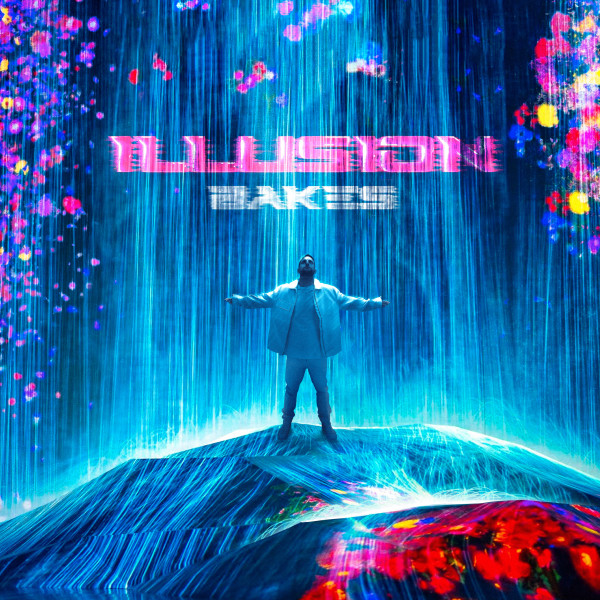
Illusion by Bakes
What "Owning Your Masters" Actually Means
Quick version: your "masters" are the original recordings of your songs. Whoever owns them controls how they're used, streaming, licensing, sync placements, samples, everything.
When you sign a traditional deal, the label typically owns your masters. You get an advance. They get your music. Forever.
When you stay independent and own your masters, you keep every dollar that music generates. And in 2026, with AI, streaming, and global distribution changing the rules daily, that control is worth more than any advance check.
The 2026 Landscape
Streaming hit $31.7 billion globally in 2025. Eleventh straight year of growth. That money flows to whoever owns the recordings. If that's a label, they eat. If that's you, you eat.
AI is creating music. Apple Music is now labeling AI-generated tracks. Major labels are fighting deepfakes. If you don't own and control your catalog, someone else might be making decisions about your voice, literally.
Sync licensing is booming. TV, film, ads, video games, they all need music. Independent artists with clean ownership can move fast. Label artists need permission from three different departments.
How I Handle It
Every track I've released, Complicated, For a Long Time, the entire Illusion album, I own 100%.
That means streaming royalties come to me. If a brand wants to use my music, I say yes or no. If I want to re-release, remix, or repackage, it's my call. Nobody can pull my music off platforms.
But What About the Money?
"Labels give you an advance." True. They also recoup that advance from YOUR royalties before you see another dollar. Most artists never earn out.
In 2026, you can distribute globally through DistroKid, TuneCore, or Amuse for under $50/year. Build your own website with built-in e-commerce. Sell merch directly to fans, zero commission. Run your own marketing through social and email.
The "advance" model only makes sense if you can't do any of that yourself. But you can. The tools exist. The playbook is public.
The Long Game
Here's what nobody tells you about owning your masters: the value compounds.
Year one, your catalog generates modest streaming income. Year five, it's a library. Year ten, it's a retirement fund. Year twenty, it's generational wealth, or a catalog sale worth millions.
But only if you own it.
Every track I make for the Divine Timing era and beyond is building that library. Not for a label's balance sheet. For mine.
What You Should Do
If you're an independent artist:
- Never sign away your masters without understanding exactly what you're giving up
- Register your music with a PRO (ASCAP, BMI, SESAC) for publishing royalties
- Keep clean records of who produced what, who wrote what, splits agreed on
- Distribute yourself, the platforms make it easy
- Build direct revenue, merch, downloads, your own store
The game is changing fast. But ownership never goes out of style.
Read more: Why Divine Timing Is the Most Underrated Lesson in a Music Career
Stream Bakes' music: Spotify · Apple Music · YouTube
Shop the Divine Timing capsule at bakesmusic.com/store
Bakes
Lyrical hip-hop artist from San Diego, CA. Bay Area roots. Independent, self-managed, built from nothing. Learn more →