Everybody wants to make it. Fewer people want to hear what making it actually requires.
I'm not talking about talent, that's table stakes. I'm not talking about luck, though timing matters. I'm talking about the daily, unglamorous, often invisible work that separates the artists who build something real from the ones who are still talking about what they're going to do five years from now.
As an independent hip-hop artist in 2026, the landscape has never been more open, and never more crowded. The same platforms that give a lyrical rapper in San Diego the ability to reach listeners in Lagos and Lyon also give that access to literally everyone else. The tools are democratized. The attention is not.
So what does it actually take? Here's what I've learned.
The Craft Comes First, Always
I know this is the unsexy answer. But it's the real one.
In an era where you can fake almost everything, fake streams, fake followers, fake industry relationships, the one thing you can't fake is a body of work that genuinely moves people. Every shortcut that bypasses the work of getting better at your craft is a loan you'll eventually have to repay.
The lyrical rappers who have long careers, the ones still making music that matters a decade into their journey, they put the work into the craft first. They wrote thousands of bars before they released hundreds. They studied the greats not to imitate them, but to understand what it takes to be great. They treated every recording session like practice and every practice session like it was being recorded.
In 2026, with AI tools generating lyrics, beats, and artwork in seconds, authenticity has become the scarcest resource in music. The artists who win are the ones whose voice, perspective, and presence can't be replicated by a prompt. That's not a technical skill, it's a commitment to being genuinely, specifically yourself on every track.
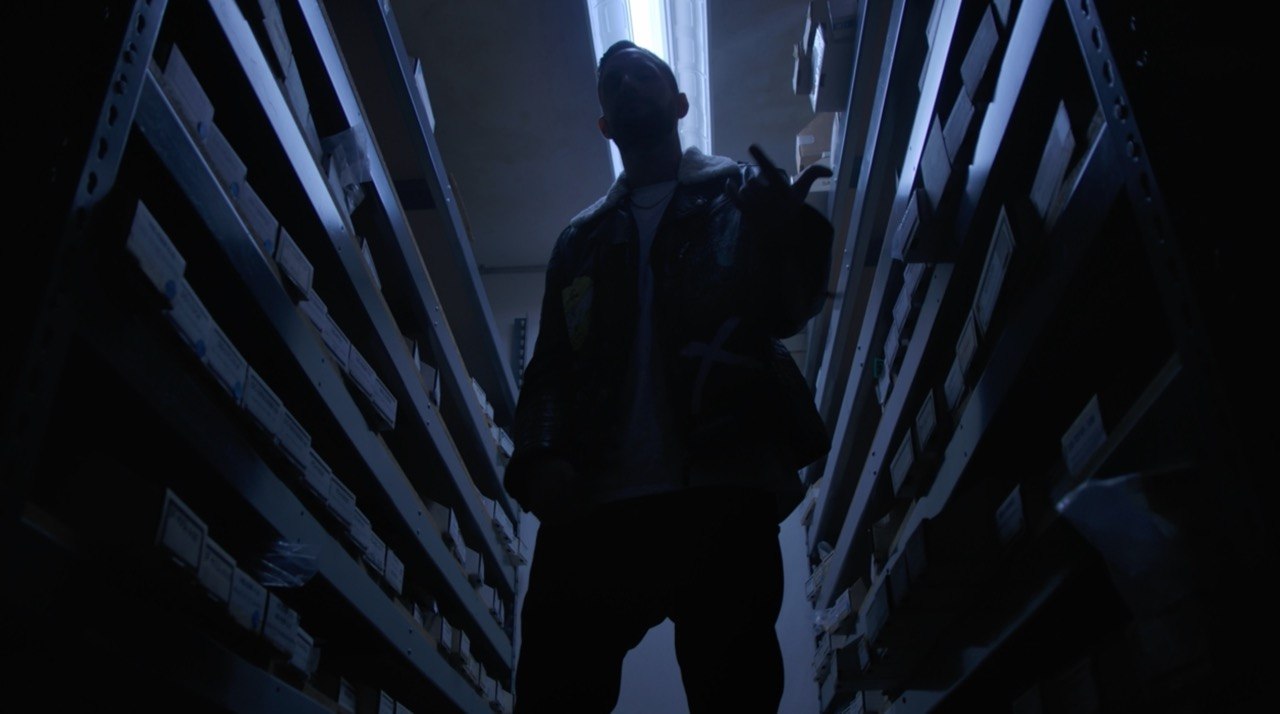
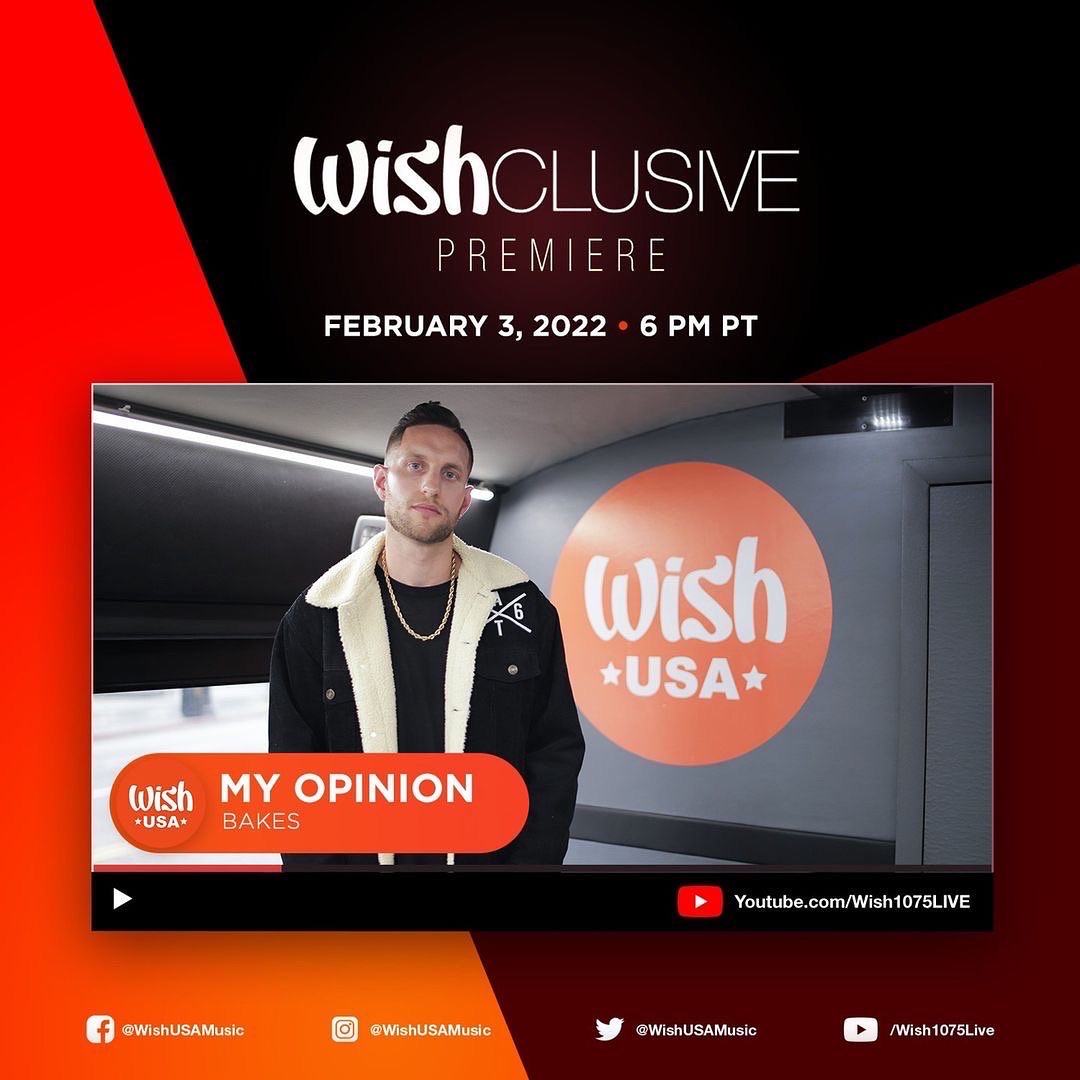
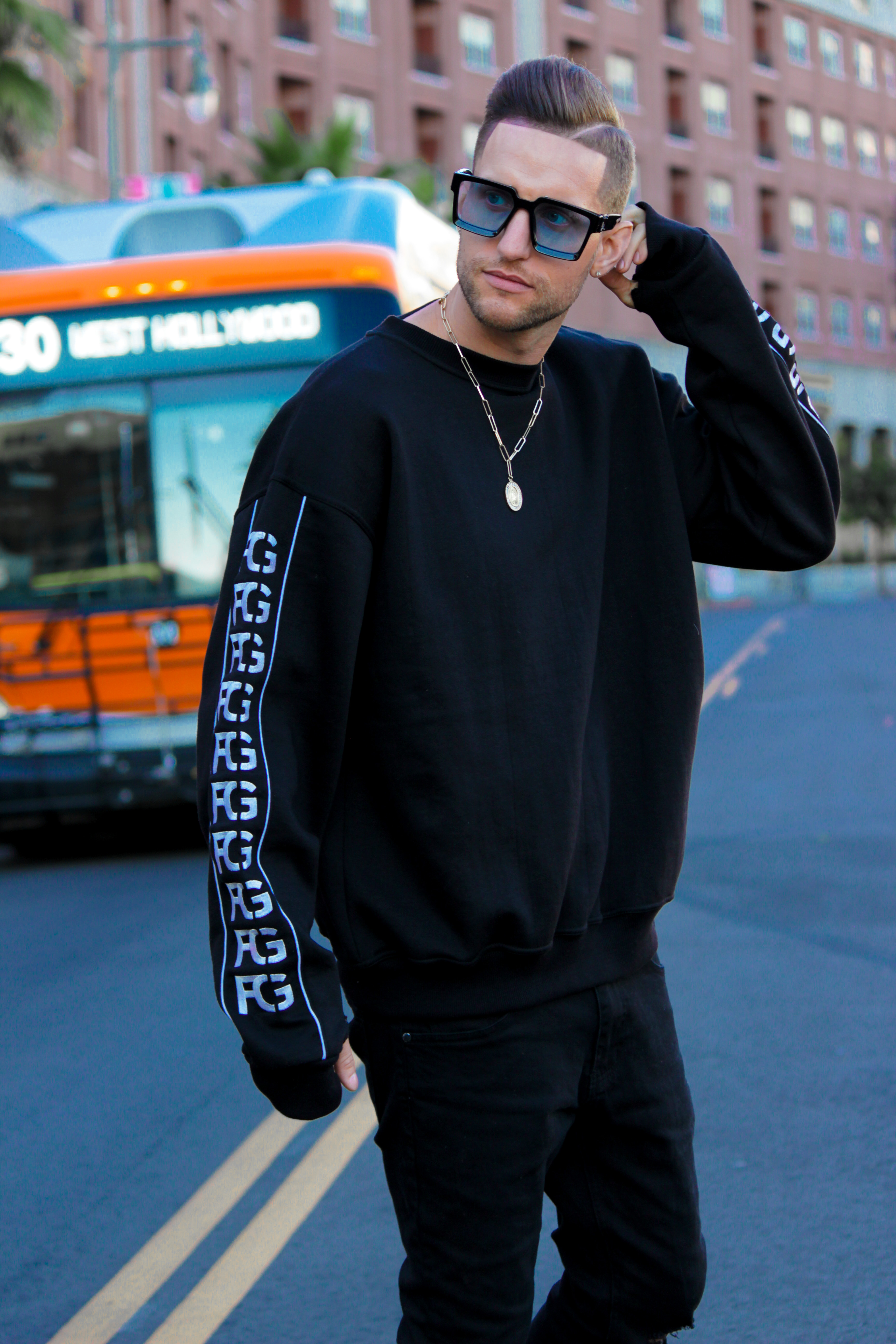
Bakes, independent artist in 2026 building from the ground up
Build an Audience Before You Need One
Here's a mistake I see constantly: artists who treat promotion as something that happens after the music is done. They work for months on a project, drop it into the world, and then wonder why nobody showed up.
The audience has to be cultivated before the music lands. That means showing the process. Sharing the journey. Letting people into the creative world before they're asked to care about the finished product.
For me, that's meant talking openly about the themes in my music: divine timing, personal growth, finding your path when the path isn't clear. Those ideas attract people who are thinking about the same things. When the music arrives, it already has context. It already has community.
Revenue Has to Be Diversified: Period
Streaming pays fractions of pennies. If your entire business model is streaming revenue, you don't have a business model.
Independent artists who make it in 2026 have figured out multiple streams that support each other:
Music sales and streaming, the foundation, not the ceiling. Streaming builds awareness. Direct sales build revenue.
Merchandise, done right, this is both revenue and community building. Every person wearing your merch is a walking advertisement and a walking statement of identity. The Divine Timing collection I built around my music themes is exactly this: something people want to wear because it represents something they believe in.
Live performances, still the highest-margin revenue stream for most independent artists. Even one good-sized show pays more than thousands of streams.
Content and platform revenue, YouTube AdSense, TikTok creator fund, Patreon, newsletter subscriptions. Not every one of these will work for every artist, but having multiple content-based revenue streams is now standard.
Licensing and sync, placing music in video content, films, ads, games. Harder to break into but extremely high-value when it works.
The Long Game Is the Only Game
This is the hardest thing to accept when you're starting out: making it as an independent artist is almost never a sudden event. It's a compounding process.
Every piece of music you release makes the next release stronger. Every live show teaches you something. Every piece of content builds the archive. Every listener who finds you becomes a potential advocate who brings in three more. The math is slow at first and then suddenly isn't.
The artists who quit do so because they're measuring month-to-month progress against a vision of instant success. The artists who make it understand they're in a years-long build.
What 2026 Demands That 2016 Didn't
AI literacy, understand what AI tools can do for you and what they can't do (be you, tell your story, build your relationships).
Global thinking from day one, the audience for lyrical hip-hop is worldwide. Build your presence and your distribution with that in mind from the beginning.
Community before promotion, the era of shouting into the void and hoping it works is over. Build real relationships with listeners, with fellow artists, with the communities that care about the things you care about.
Patience as a competitive advantage, most people quit. Staying in long enough to let the compounding work is genuinely rare and genuinely powerful.
Making it as an independent artist in 2026 is hard. It's supposed to be hard. But it's also more possible than it's ever been for someone with real talent, real vision, and the willingness to do the unsexy work consistently.
The question isn't whether the opportunity exists. It does. The question is whether you're willing to show up for it, every day, before you feel ready, before it pays off, before anyone is watching.
That's when it starts to become real.
Read more: Why Divine Timing Is the Most Underrated Lesson in a Music Career
Stream Bakes' music: Spotify · Apple Music · YouTube
Shop the Divine Timing capsule at bakesmusic.com/store
Bakes
Lyrical hip-hop artist from San Diego, CA. Bay Area roots. Independent, self-managed, built from nothing. Learn more →