There's a moment, you've probably felt it, when a song comes on and something in your chest shifts. You don't even speak the language. Maybe you're in a taxi in Lagos, or a café in Lyon, or on a bus in São Paulo. The beat drops, the words hit a rhythm you recognize in your bones, and suddenly you understand everything the artist is saying without understanding a single word. That's hip-hop. That's the universal language of the human experience.
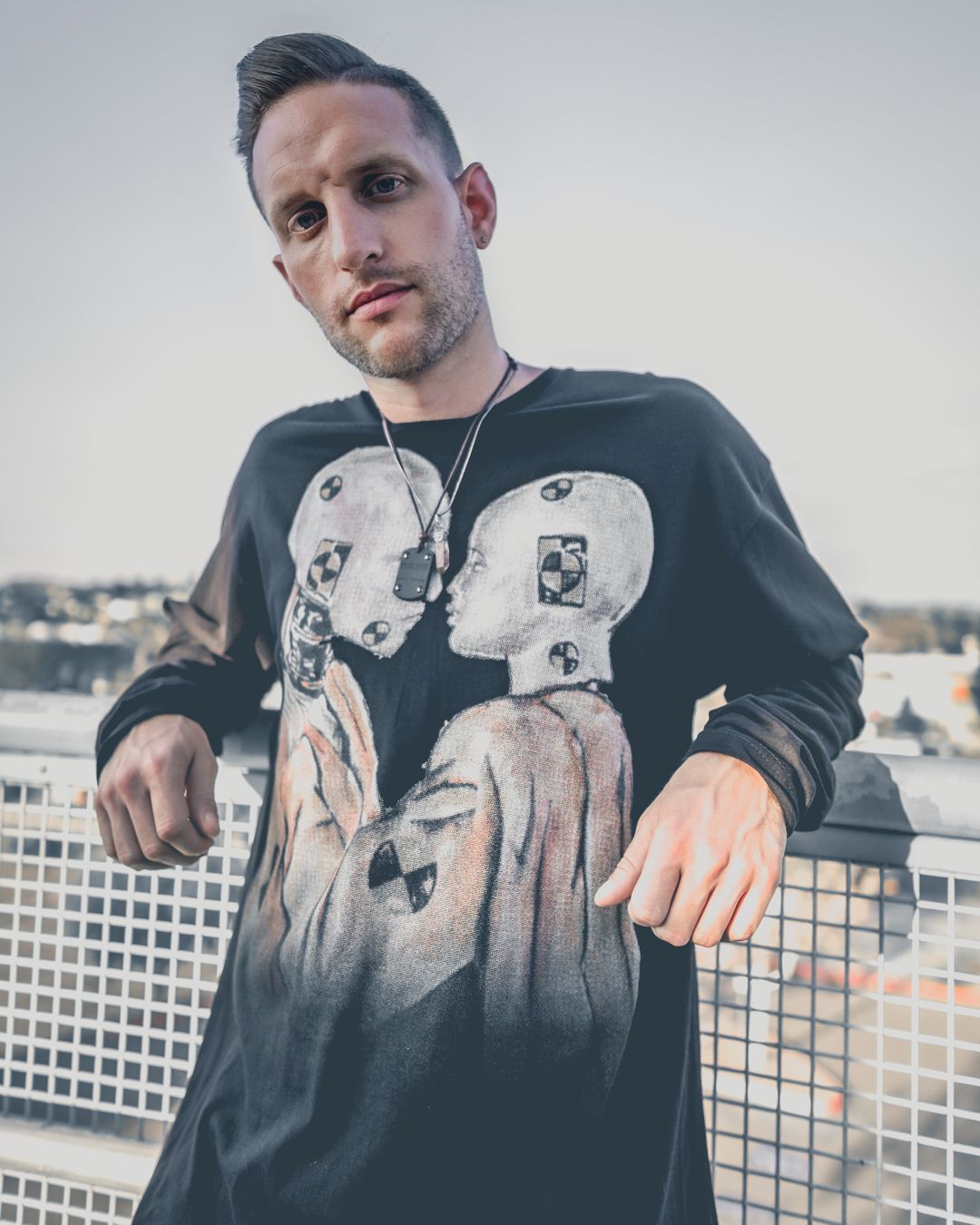
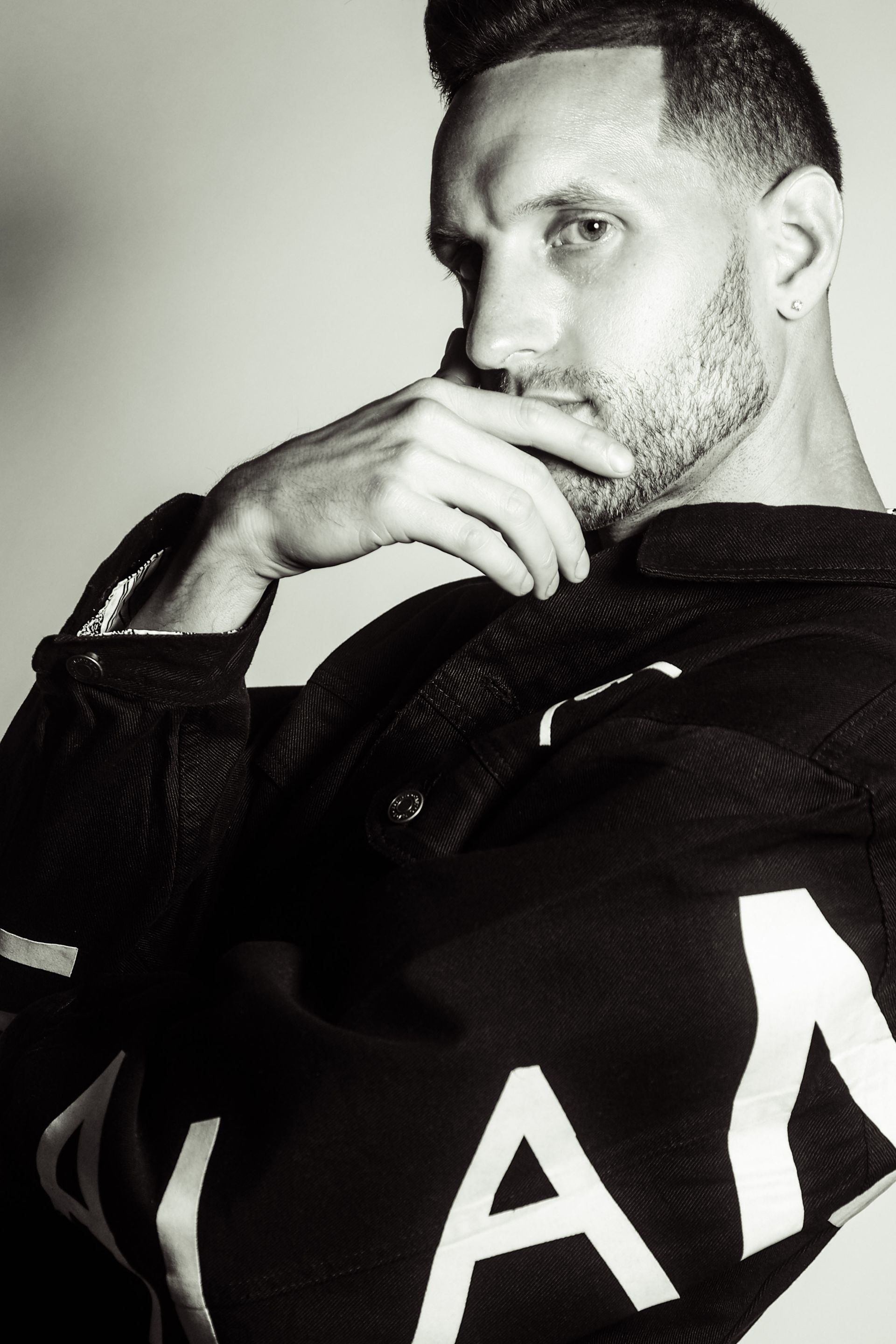
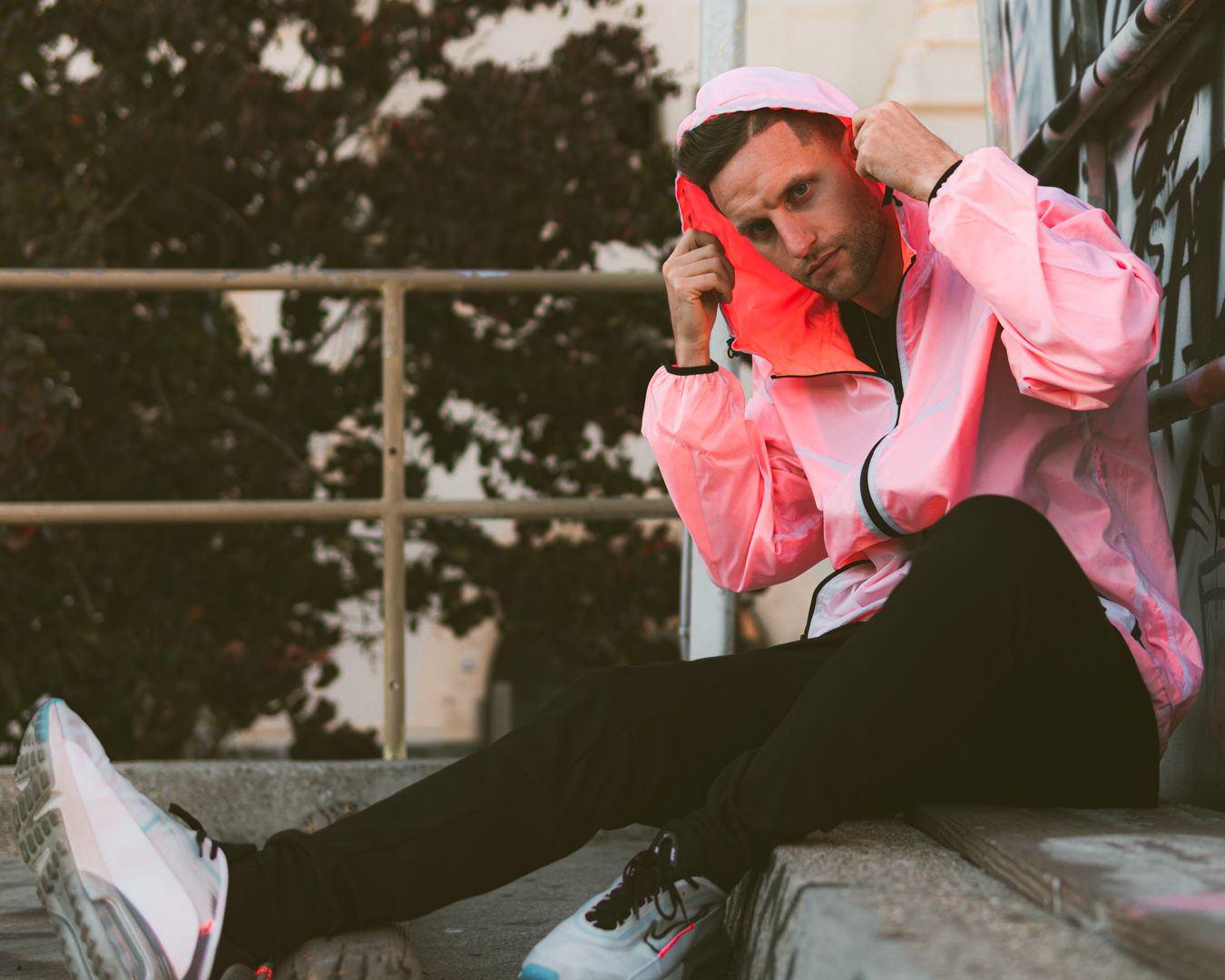
As a lyrical hip-hop artist based in San Diego, I've watched Bakes music connect with listeners across continents, people who've never seen the Bay Area skyline, never driven the 5 through South San Diego, never lived my exact story. But they feel it. Because the story is theirs too.
What Makes Hip-Hop Different From Every Other Genre
Every genre carries emotion. Country tells stories of heartbreak and home. Classical conveys grandeur and grief. Pop chases the feeling of the moment. But hip-hop does something none of them do quite the same way: it names things precisely.
Hip-hop artists are wordsmiths first. We excavate the English language, and increasingly, dozens of other languages, for the most specific, most resonant way to say what's true. When Kendrick raps about Compton, he's not just talking about Compton. He's talking about every neighborhood that's been written off. When Racionais MC's raps in Portuguese about São Paulo, they're talking about every city where the margins have been ignored. When French rappers spit about banlieues, they're talking about everywhere a generation has been told it doesn't belong.
Hip-hop names the unnameable. That's why it travels.
The Rhythm Lives in Every Culture Already
Here's something people don't always acknowledge: the rhythmic foundation of hip-hop isn't foreign to any culture. It's drumming. It's call-and-response. It's oral tradition. These are among the oldest forms of human communication on earth.
Before writing, human beings stored their history in rhythm and verse. Griots in West Africa. Bards in medieval Europe. Spoken word poets in ancient India. Hip-hop is the newest vessel for one of humanity's oldest instincts, the need to speak your truth out loud, in rhythm, to an audience that needs to hear it.
When hip-hop landed in France in the 1980s, it didn't feel foreign to the youth who adopted it, it felt like something they already knew. Same in Nigeria, Brazil, Germany, the UK. Every culture has its own relationship with rhythm and testimony. Hip-hop just gave that ancient impulse a new form.
Lyrical Hip-Hop Speaks to the Individual Inside the Universal
What separates lyrical hip-hop from commercial rap isn't production value or album budget, it's the specificity of the truth being told. Lyrical artists go deep. They don't just describe the surface of an experience; they excavate it.
That's what I try to do with Bakes music. When I write about divine timing, about building your own world, about following dreams when the path isn't clear, I'm writing from my specific life. Bay Area roots. San Diego streets. Real decisions, real doubt, real breakthroughs. And yet, every time a listener from France or Nigeria or Brazil reaches out to say a song felt like it was written for them, I'm reminded: the specific is the universal.
The more honest you are about your own experience, the more other people recognize themselves in it. That's the paradox at the heart of great lyrical hip-hop.
How Hip-Hop Became the World's Most-Streamed Genre
It's not an accident that hip-hop is now the world's most-streamed genre. Spotify data consistently shows rap and hip-hop leading global listening. That didn't happen because it's trendy. It happened because a generation of young people across every continent recognized something real in it.
Kids in Lagos aren't just listening to American hip-hop anymore, they're creating Afrobeats-inflected rap that's taking over global playlists. Artists in Brazil are blending funk carioca with hip-hop flows. French rap has its own identity so strong it's begun influencing American artists back. The genre has become a living, breathing global conversation.
And at the center of that conversation is the same thing it's always been: truth. Experience. The human desire to be heard.
What Hip-Hop Taught Me About Connecting Across Distance
Building Bakes music from San Diego, I've had to think hard about how to reach listeners who've never been here, never walked the streets that shaped my sound. The answer I keep coming back to: don't try to erase the specifics. Lean into them.
San Diego has a particular energy, West Coast warmth, Pacific light, a city that's always slightly underestimated. The Bay Area roots add another layer: hunger, community, culture. These specifics aren't barriers to connection. They're the entry points. People want to know where you're from. They want to feel a place through your music.
The universal is reached through the local. Always.
Read more: Why Divine Timing Is the Most Underrated Lesson in a Music Career
Stream Bakes' music: Spotify · Apple Music · YouTube
Shop the Divine Timing capsule at bakesmusic.com/store
BAKES
Lyrical hip-hop artist from San Diego, CA. Bay Area roots. Independent, self-managed, built from nothing. Learn more →